How to Choose Among the Best Aesthetic Clinics UK Has to Offer
Walking into a clinic for the first time can feel a bit like stepping onto a stage where you are both the performer and the audience. I remember my own hesitation before booking a consultation for anti-wrinkle injections. The glossy website photos looked promising, but I had no real way of knowing whether the practitioner behind the needle had the training to match the price tag. That uncertainty is exactly why the landscape of aesthetic clinics UK has changed so much over the past decade. Regulation, professional standards, and patient education have all had to catch up with the booming demand for non-surgical procedures.
When you start looking for a clinic, the sheer number of options can be overwhelming. From high-street medi-spas to private medical practices, each one claims to offer something special. The key is to shift your focus away from marketing and onto verifiable credentials. A good starting point is to check whether the clinic is registered with the Care Quality Commission, or CQC. In England, any clinic offering medical treatments such as Botox, dermal fillers, or thread lifts should be CQC-registered. This registration means the premises, the equipment, and the infection-control procedures have passed an inspection. It does not guarantee perfection, but it does give you a baseline of accountability.
Why Credentials Matter More Than Ever
The non-surgical aesthetic industry has grown so quickly that regulation has often lagged behind. A few years ago, it was perfectly legal for someone with no medical background to buy Botox and inject it after a weekend course. That situation has improved, but there are still gaps. That is why organisations like Save Face and Treatments You Can Trust have become so important. They maintain voluntary registers of practitioners who meet higher standards of training, insurance, and aftercare. If you are comparing aesthetic clinics UK, looking for one listed on Save Face gives you an extra layer of reassurance. It tells you the clinic has agreed to follow a code of practice and has been vetted by an independent body.
I once spoke to a patient who had a bad experience with dermal fillers at a salon that was not medically regulated. The filler was probably not legitimate, and the results were lumpy and painful. She ended up needing hyaluronidase to dissolve the product, which is a treatment that should only be done by a trained medical professional. That kind of story is more common than most people realise. It reinforces why you should always ask what qualifications the injector holds. A nurse, doctor, or dentist who has completed additional training in aesthetic medicine will have a much deeper understanding of facial anatomy than someone who only took a short commercial course.

The Range of Treatments on Offer
Modern aesthetic clinics UK now provide a wide spectrum of services that go far beyond the classic Botox and filler appointments. Many clinics offer medical skincare consultations, where a practitioner assesses your skin type and recommends prescription-strength products or procedures. Chemical peels, microdermabrasion, and microneedling are all popular options for improving skin texture and tone without injections. Microneedling, for instance, uses tiny needles to create controlled micro-injuries in the skin, which stimulates collagen production. It works well for acne scarring and fine lines, though it does require a few days of downtime while the skin heals.
Laser and light-based treatments have also become staples. IPL, or intense pulsed light, is commonly used for reducing pigmentation and broken capillaries, while laser hair removal remains one of the most requested procedures year after year. Radiofrequency treatments, sometimes combined with microneedling, tighten the skin by heating the deeper layers and triggering new collagen growth. These technologies are not one-size-fits-all, so a good clinic will always do a patch test and a thorough consultation before starting a course of treatment.
Non-Surgical Rhinoplasty and Thread Lifts
Two treatments that have gained a lot of attention recently are non-surgical rhinoplasty and thread lifts. Non-surgical rhinoplasty uses dermal fillers, often a product like Juvederm, to reshape the nose temporarily. It can smooth a bump, lift the tip, or improve symmetry. The results last anywhere from six months to a year, depending on the filler used and your metabolism. It is a clever option for people who want to refine their nose without going under the knife, but it demands an injector with exceptional skill. The nose has a complex blood supply, and a mistake can cause serious complications. Thread lifts are another minimally invasive alternative to surgery. Fine threads, usually made of polydioxanone or similar material, are inserted under the skin to lift sagging areas of the face. The threads also stimulate collagen over time. The effect is subtle but noticeable, and it avoids the scars and recovery time of a surgical facelift.
The Role of Aftercare and Follow-Up
One thing that separates high-quality aesthetic clinics UK from the rest is the quality of aftercare. A responsible clinic will give you clear written instructions on what to do after your treatment, what side effects to expect, and when to call if something feels wrong. They should also schedule a follow-up appointment to check on your results. For example, after a course of microneedling or a chemical peel, your skin will be more sensitive to sunlight, and you may need to adjust your skincare routine. A good practitioner will walk you through that without rushing you out the door.

Massage therapy is sometimes offered as a complementary service in aesthetic clinics, and it can be a nice addition if you are looking for relaxation alongside your medical treatments. While massage therapy does not change your face the way Botox or fillers do, it can improve circulation, reduce muscle tension, and help you feel more comfortable during a long appointment. Some clinics even combine facial massage with LED light therapy or microcurrent for a gentle lift without needles.
How to Verify a Clinic Before You Book
Before you commit to any clinic, there are a few practical steps worth taking. First, confirm that the clinic is CQC-registered if it is in England. You can check the CQC website directly. Second, look for the practitioner's name on the register of the Nursing and Midwifery Council or the General Medical Council, depending on their profession. Third, see if the clinic is listed on Save Face or Treatments You Can Trust. These registers are easy to search and free to use. Fourth, ask what brand of products they use. Reputable clinics will use genuine, traceable products from manufacturers like Allergan for Botox or Juvederm for fillers. They should be able to show you the packaging and the batch number. Finally, read recent reviews that mention specific treatments, but take overly glowing or vague testimonials with a pinch of salt.
One more detail worth remembering is that the cheapest option is rarely the safest. Botox and dermal fillers are medical procedures, and pricing that seems too good to be true often means corners have been cut somewhere. It may be that the product is diluted, expired, or counterfeit. It may be that the practitioner is not insured. Paying a fair price for a qualified injector is an investment in your safety, not just your appearance.
Final Thoughts on Choosing a Clinic
Finding the right clinic among all the aesthetic clinics UK available today does not have to be stressful. The process comes down to doing a little homework before you book. Look for proper regulation, qualified practitioners, and a clinic that takes the time to understand your goals. A good consultation should feel like a conversation, not a sales pitch. The practitioner should explain the risks as well as the benefits, and they should never pressure you into a treatment you are unsure about.
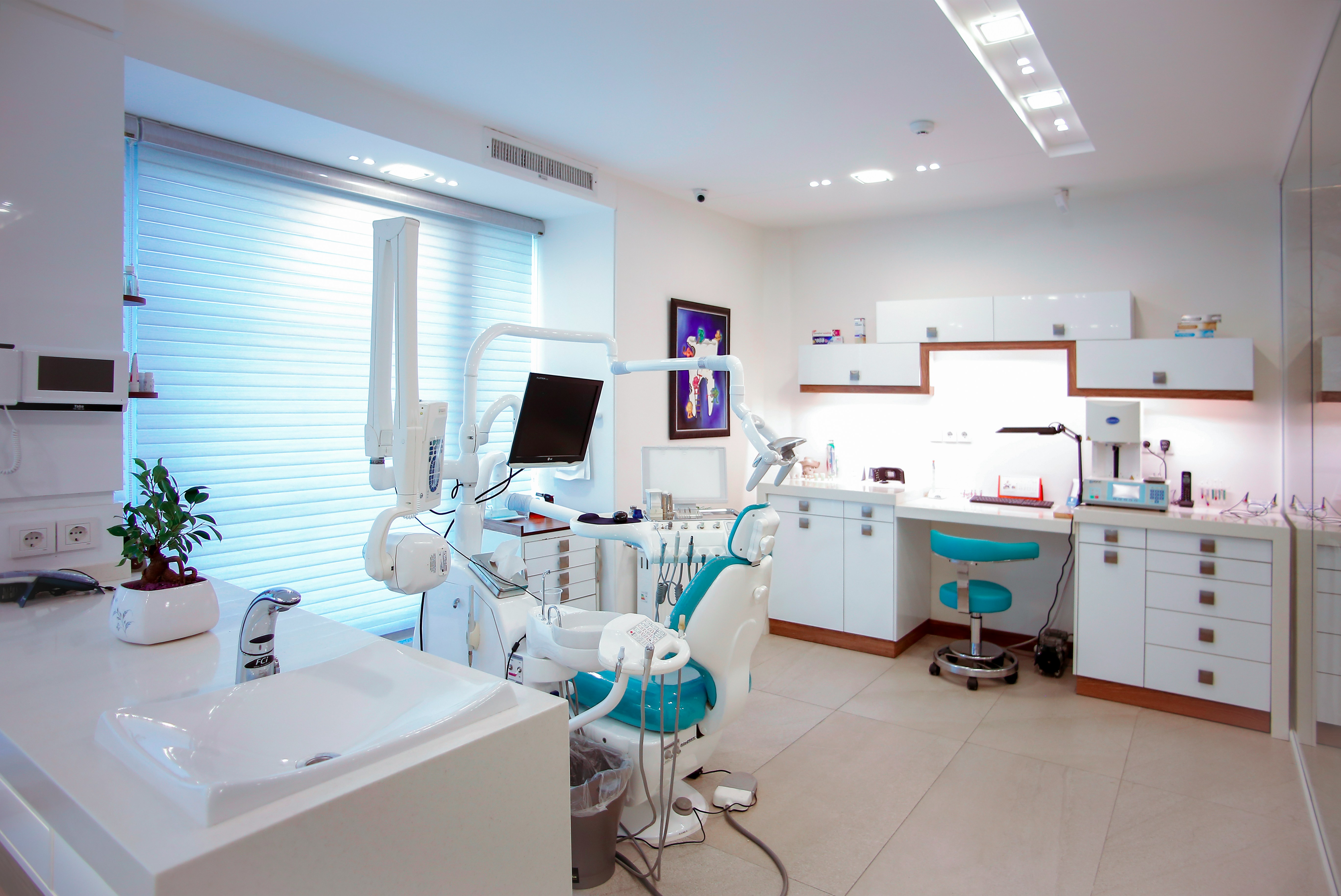
The industry is full of talented professionals who genuinely care about their patients. The challenge is separating them from the operators who treat aesthetics as a quick profit centre. By using the resources available, like CQC registration and voluntary registers, you can make an informed choice. Whether you are interested in anti-wrinkle injections, dermal fillers, laser hair removal, or medical skincare, the right clinic will prioritise your safety and long-term satisfaction. That is the standard you deserve, and it is one that the best aesthetic clinics UK are proud to meet.